
- Teacher: gethrude chepkirui
EDUCATION IS POWER
-
Welcome to your new Gnomio site
Now, you are in control!
Moodle is an open-source Learning Management System (LMS) that provides educators with the tools and features to create and manage online courses. It allows educators to organize course materials, create quizzes and assignments, host discussion forums, and track student progress. Moodle is highly flexible and can be customized to meet the specific needs of different institutions and learning environments.
Moodle supports both synchronous and asynchronous learning environments, enabling educators to host live webinars, video conferences, and chat sessions, as well as providing a variety of tools that support self-paced learning, including videos, interactive quizzes, and discussion forums. The platform also integrates with other tools and systems, such as Google Apps and plagiarism detection software, to provide a seamless learning experience.
Moodle is widely used in educational institutions, including universities, K-12 schools, and corporate training programs. It is well-suited to online and blended learning environments and distance education programs. Additionally, Moodle's accessibility features make it a popular choice for learners with disabilities, ensuring that courses are inclusive and accessible to all learners.
The Moodle community is an active group of users, developers, and educators who contribute to the platform's development and improvement. The community provides support, resources, and documentation for users, as well as a forum for sharing ideas and best practices. Moodle releases regular updates and improvements, ensuring that the platform remains up-to-date with the latest technologies and best practices.
Links of interest:
(You can edit or remove this text)
Available courses

Course Description: Tourism Management
Tourism Management is a professional and vocational course that equips learners with the knowledge, skills, and competencies required to plan, manage, and promote tourism services and destinations. It integrates hospitality, travel operations, cultural heritage, and sustainable practices to prepare graduates for careers in the global tourism industry.
Purpose of the Course
-
To provide learners with practical and theoretical skills in managing tourism enterprises and services.
-
To prepare students for employment in travel agencies, tour operations, hotels, resorts, and government tourism bodies.
-
To instill professional values such as customer care, cultural sensitivity, sustainability, and innovation in tourism practice.
Key Areas of Study
1. Fundamentals of Tourism
-
Definition, scope, and importance of tourism
-
Types of tourism (domestic, international, eco-tourism, cultural tourism)
-
Tourism trends and global perspectives
2. Travel and Tour Operations
-
Principles of tour planning and itinerary design
-
Ticketing, reservations, and travel documentation
-
Tour guiding and customer service
3. Hospitality and Destination Management
-
Integration of tourism with hospitality services
-
Destination marketing and promotion strategies
-
Event and conference tourism
4. Sustainable Tourism Practices
-
Environmental conservation and eco-tourism
-
Community-based tourism initiatives
-
Ethical and responsible tourism
5. Cultural and Heritage Tourism
-
Preservation and promotion of cultural heritage sites
-
Interpretation of cultural experiences for tourists
-
Managing cultural diversity in tourism
6. Tourism Economics and Policy
-
Tourism’s contribution to national and global economies
-
Government policies and regulations in tourism
-
Tourism development planning
7. Practical Training
-
Industrial attachment in tour companies, hotels, or tourism boards
-
Simulation of real-life tourism scenarios
-
Continuous assessment through projects, case studies, and fieldwork
Career Opportunities
Graduates can work as:
-
Tour operators and travel consultants
-
Destination managers and tourism officers
-
Event and conference coordinators
-
Eco-tourism and cultural tourism specialists
-
Entrepreneurs in travel and hospitality
Why It Matters
This course develops multi-skilled professionals who can manage tourism services, promote destinations, and contribute to sustainable development, making them highly employable in the growing global tourism sector.
- Teacher: gethrude chepkirui

Course Description: Catering and Accommodation Management
Catering and Accommodation Management is a vocational and professional course designed to equip learners with the knowledge, skills, and competencies required to manage food service operations and hospitality facilities. It integrates culinary arts, food production, customer service, housekeeping, and accommodation management to prepare graduates for careers in the hospitality and tourism industry.
Purpose of the Course
-
To provide learners with practical and theoretical skills in catering services and accommodation operations.
-
To prepare students for employment in hotels, restaurants, resorts, institutions, and event management companies.
-
To instill professional values such as hygiene, safety, customer care, and sustainability in hospitality practice.
Key Areas of Study
1. Food Production and Catering
-
Principles of cookery and menu planning
-
Food safety, hygiene, and nutrition
-
Commercial kitchen organization and workflow
-
Banqueting and event catering
2. Food and Beverage Service
-
Restaurant service techniques (à la carte, buffet, banqueting)
-
Bar and beverage management
-
Customer relations and service etiquette
-
Point-of-sale systems and billing
3. Accommodation Operations
-
Housekeeping management (cleaning, laundry, linen control)
-
Front office operations (reservations, check-in/out, guest relations)
-
Facility management and maintenance
-
Interior design and guest comfort
4. Hospitality Management
-
Principles of hospitality and tourism
-
Human resource management in hospitality
-
Costing, budgeting, and financial control
-
Marketing and sustainable practices in catering and accommodation
5. Practical Training
-
Industrial attachment in hotels, restaurants, or institutions
-
Simulation of real-life hospitality scenarios
-
Continuous assessment through projects, case studies, and practical exams
Career Opportunities
Graduates can work as:
-
Hotel and restaurant managers
-
Catering supervisors and chefs
-
Front office executives
-
Housekeeping supervisors
-
Event and banquet coordinators
-
Hospitality entrepreneurs
Why It Matters
This course develops multi-skilled professionals who can manage both food service and accommodation sectors, making them highly employable in the growing hospitality and tourism industry.
- Teacher: gethrude chepkirui
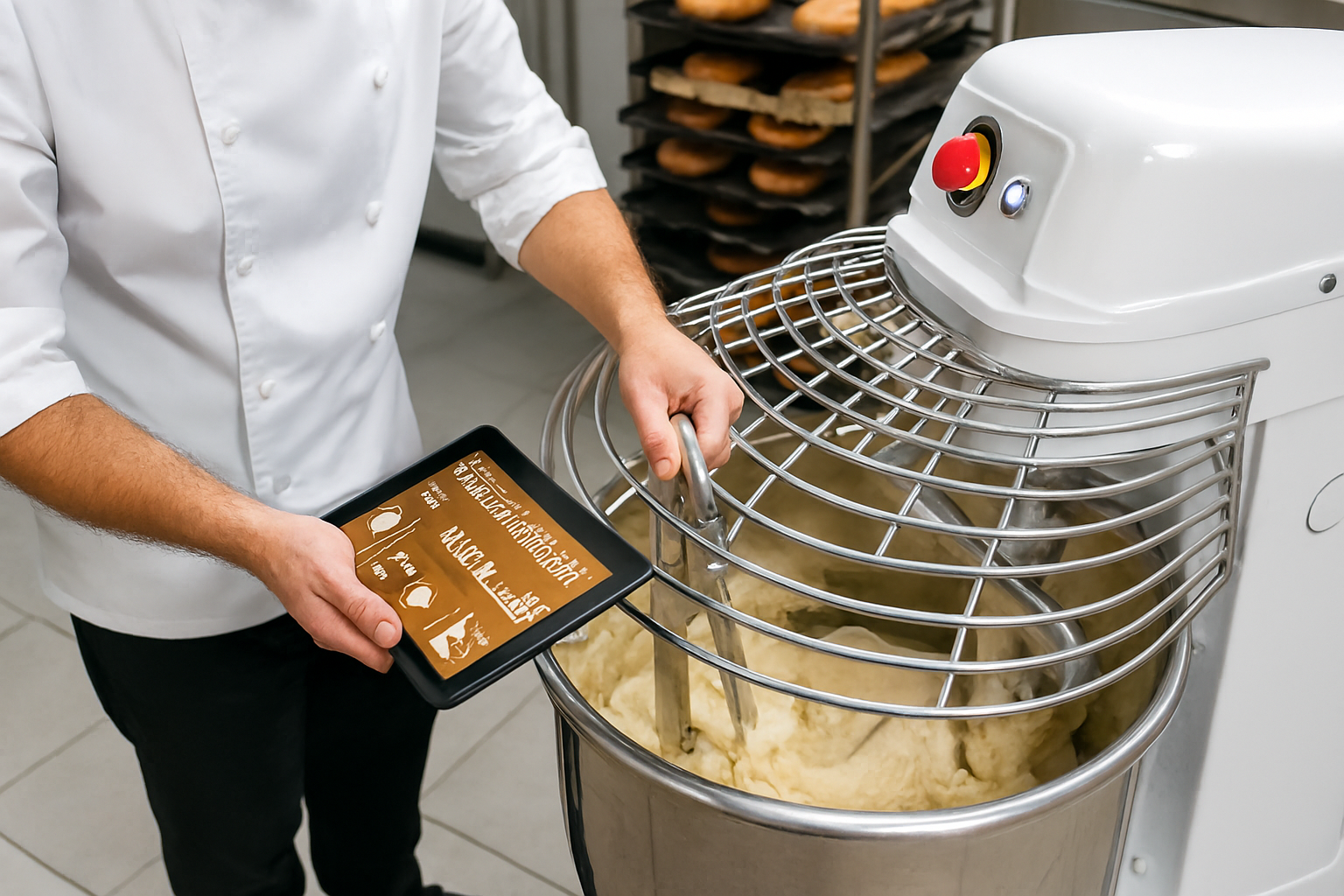
Baking technology is the science and application of methods, equipment, and innovations used to produce baked goods such as bread, cakes, biscuits, and pastries. It blends traditional culinary practices with modern industrial processes to ensure efficiency, consistency, safety, and creativity in food production.
Detailed Description of Baking Technology
1. Definition and Scope
-
Baking technology involves the study of raw materials, production processes, equipment, and quality control in bakery operations.
-
It covers both artisanal baking (small-scale, creative) and industrial baking (large-scale, automated).
2. Raw Materials
-
Flour: The backbone of most baked goods, with gluten proteins providing structure.
-
Sugar and sweeteners: Add flavor, color, and texture.
-
Fats and oils: Contribute to tenderness, richness, and shelf life.
-
Leavening agents: Yeast, baking powder, and baking soda create volume and lightness.
-
Eggs and dairy: Improve texture, flavor, and nutritional value.
3. Processes
-
Mixing and kneading: Develops gluten and evenly distributes ingredients.
-
Fermentation and proofing: Yeast activity produces carbon dioxide, giving bread its rise.
-
Baking: Heat transforms dough into finished products through starch gelatinization and protein coagulation.
-
Cooling and packaging: Ensures product stability and extends shelf life.
4. Equipment and Technology
-
Traditional tools: Ovens, mixers, proofing cabinets.
-
Modern innovations:
-
Smart ovens with humidity and temperature sensors.
-
Automated dough dividers and shapers.
-
AI-driven monitoring systems for consistency.
-
Sustainable technologies like energy-efficient ovens and biodegradable packaging.
-
5. Quality Control
-
Baking technology emphasizes texture, flavor, appearance, and shelf-life testing.
-
Sensory evaluation and scientific analysis ensure products meet consumer expectations and safety standards.
6. Industry Applications
-
Commercial bakeries: Mass production with automation.
-
Artisanal bakeries: Combining tradition with selective technology.
-
Education and training: Teaching baking science and technology to future professionals.
Importance
-
Baking technology supports food security, employment, and innovation in the food industry.
-
It enables scalable production, reduces manual labor, and fosters creativity while ensuring sustainability.
- Teacher: gethrude chepkirui
We value the taste of every cake
- Teacher: gethrude chepkirui
Exploring the nature with you
- Teacher: gethrude chepkirui
How to prepare cuisine dishes
- Teacher: gethrude chepkirui